
oracle energy & water
Defining Oracle's First Business Customer Engagement Platform
As the sole product designer, I led product strategy and experience design from vision through executive alignment, helping define Oracle's first end-to-end Business Customer Engagement platform.
Role
Principal Product Designer
scope
Product Strategy • Vision + Design • Stakeholder + Executive Alignment
team
Product • Engineering • Data Science • Sales • Research
impact
4.6M customers • 2× CTR
•↑11% CSAT • ↓38% Call-to-Serve
Overview
When Oracle lost its third-party engagement platform, we had a rare opportunity - define from scratch how utilities help business customers understand and manage energy costs. No legacy system to replicate. No existing playbook.
As the sole product designer, I partnered with product management, engineering, behavioral science, data science, and research to define a new product strategy from the ground up. Rather than recreating an existing reporting portal, we focused on helping businesses understand why their bills changed and what actions they should take next.
SMBs were too complex for residential tools, yet too small for dedicated account managers
It's helpful to understand the market context. Small and medium-sized businesses (SMBs) were an underserved customer segment. While large commercial customers had account managers to help them understand energy costs, SMBs were expected to rely on residential self-service tools that weren't designed for the realities of running a business.
When bills unexpectedly increased, many business owners had no clear explanation and often called the utility for help. Trust was jeopardized.
Oracle saw an opportunity to create its first Business Customer Engagement platform specifically designed for their needs.
Before I could design the product, I had to align six disciplines around a shared vision
Starting this project, I knew one of the biggest challenges wasn't going to be the design - it was going to be alignment.
Product, engineering, sales, and leadership each had different expectations for what the platform should become. Before we could even begin designing the experience, we needed a shared understanding of the customer and a common product vision.
I facilitated cross-functional working sessions and introduced recurring leadership reviews to validate direction early, reduce late-stage surprises, and build executive confidence throughout the project.
4 insights that changed our strategy
Rather than documenting every research activity, we focused on the discoveries that fundamentally changed product direction.
Small and medium businesses are not the same. Their operational needs, decision-making, and engagement patterns differed enough that they required distinct experience strategies.
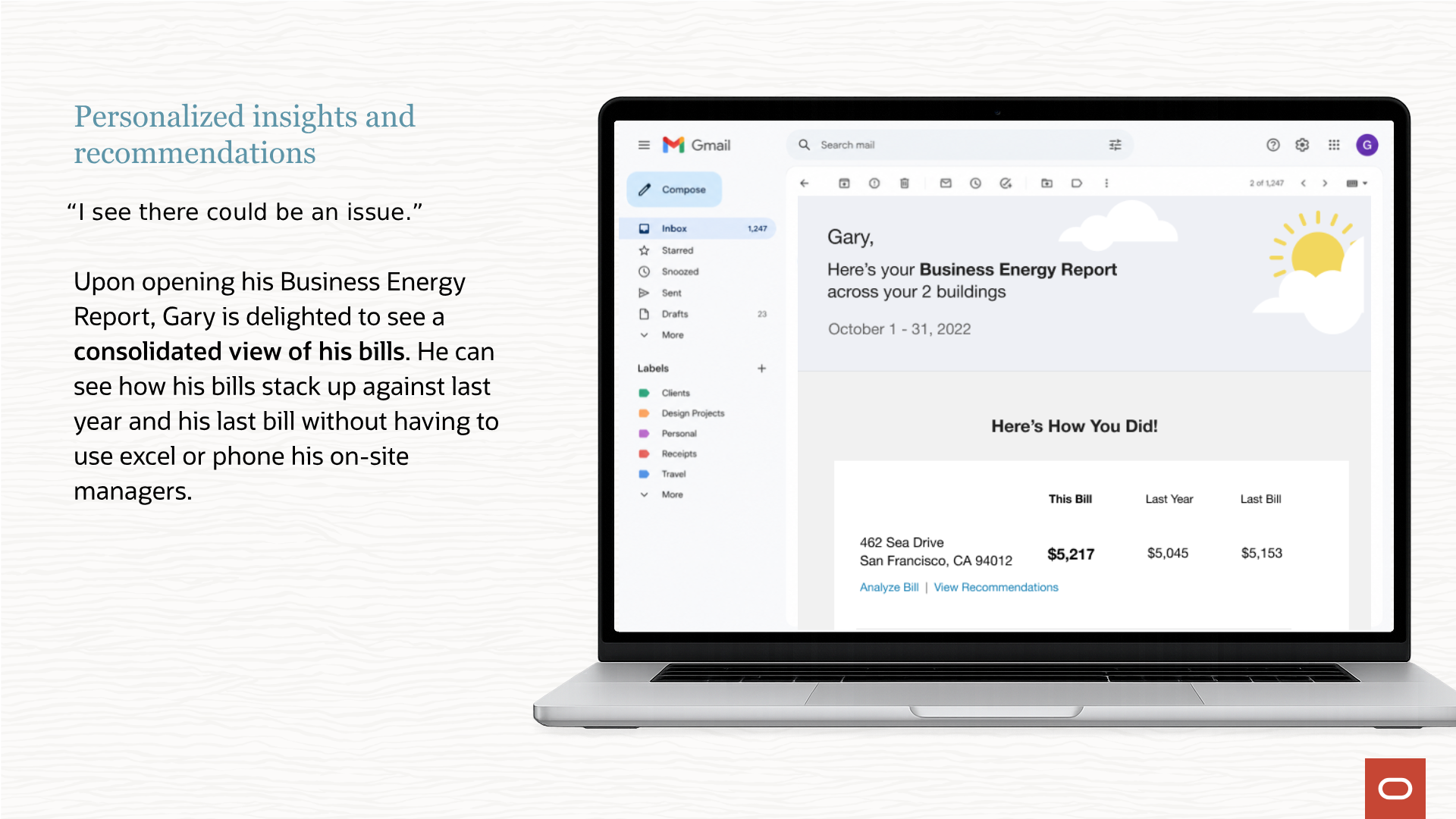
Businesses wanted explanations, not dashboard or reports. Customers cared less about historical energy usage than understanding if their usage was problematic or "the cost of doing business", what recurring issues may have caused any problem, and what they should do next.
Personalization required trust. Utilities often lacked meaningful customer context. Asking businesses for information before delivering value would create unnecessary friction.
Email wasn't the destination. The experience needed to begin with proactive outreach and continue through a richer web experience - not treat email as a marketing channel.
I deliberately designed for the most complex customer first
Research revealed that small businesses and medium-sized businesses managed energy very differently.
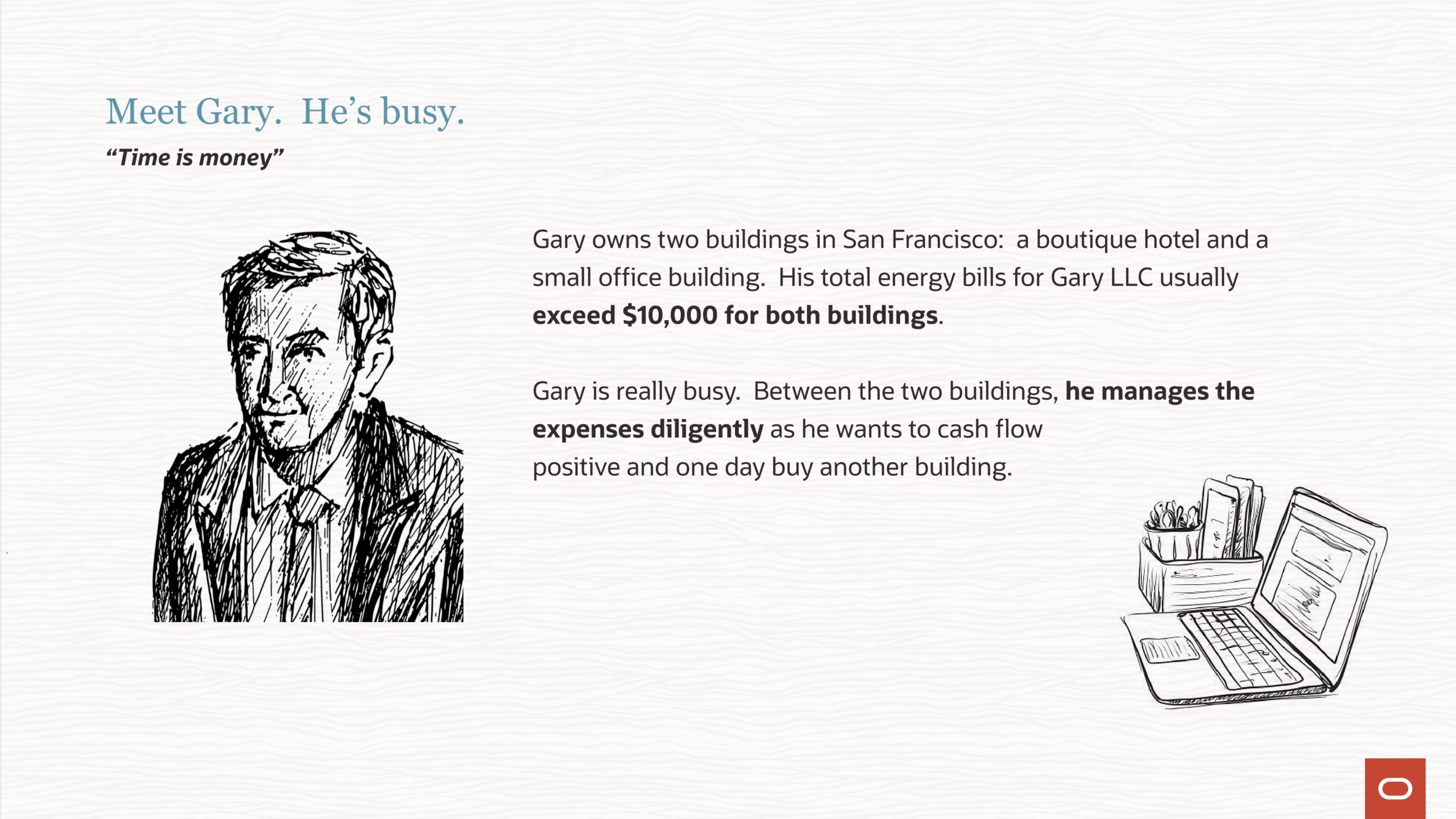
Small business owners like Madee typically managed a single location and had relatively straightforward energy needs. Medium-sized business owners like Gary, however, often managed multiple facilities, compared energy usage across locations, investigated unexpected costs, and balanced operational decisions across their business.
Rather than creating separate experiences for both audiences, we intentionally prioritized Gary's needs first.
Our hypothesis was simple:
If we could solve the complexity of managing multiple locations, the simpler workflows required by small businesses would naturally follow.
That decision influenced everything that followed - from the product strategy and roadmap to the information architecture and future-state vision.
Turning Research into Strategy
While research gave us confidence in what customers needed, it didn't answer what the product should become.
Without a concrete vision of the future experience, roadmap conversations continued to revolve around features instead of customer outcomes.
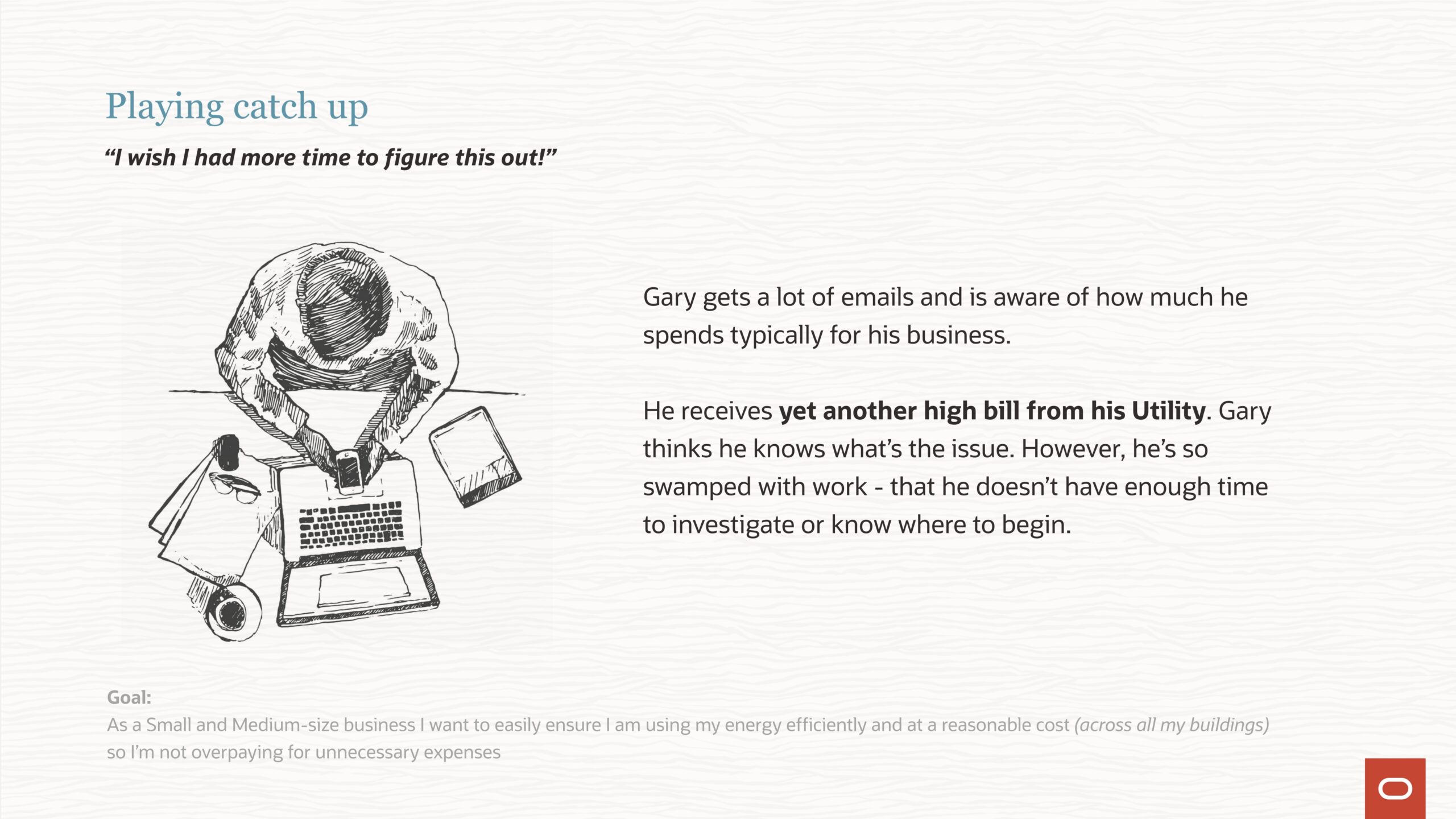
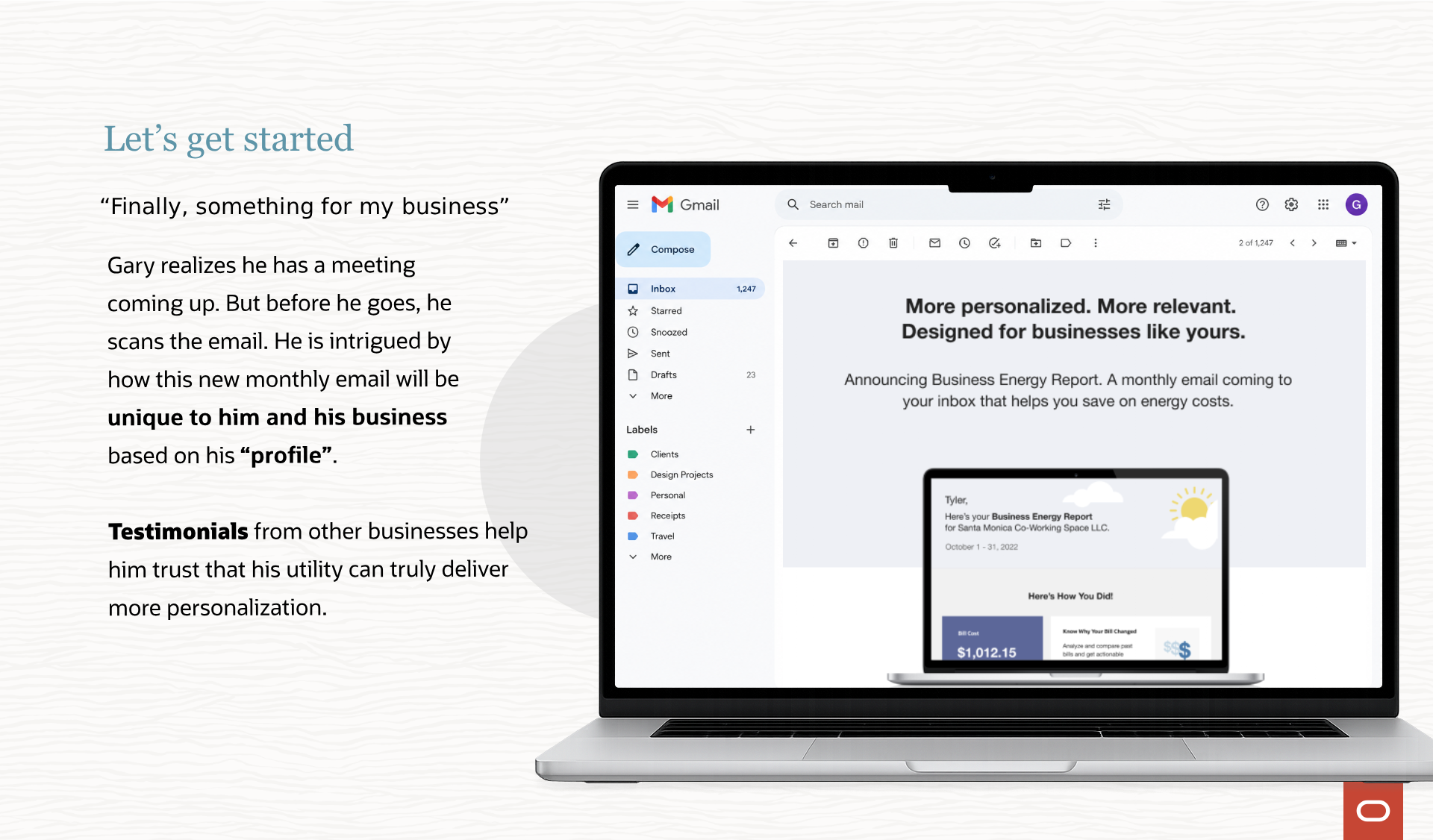
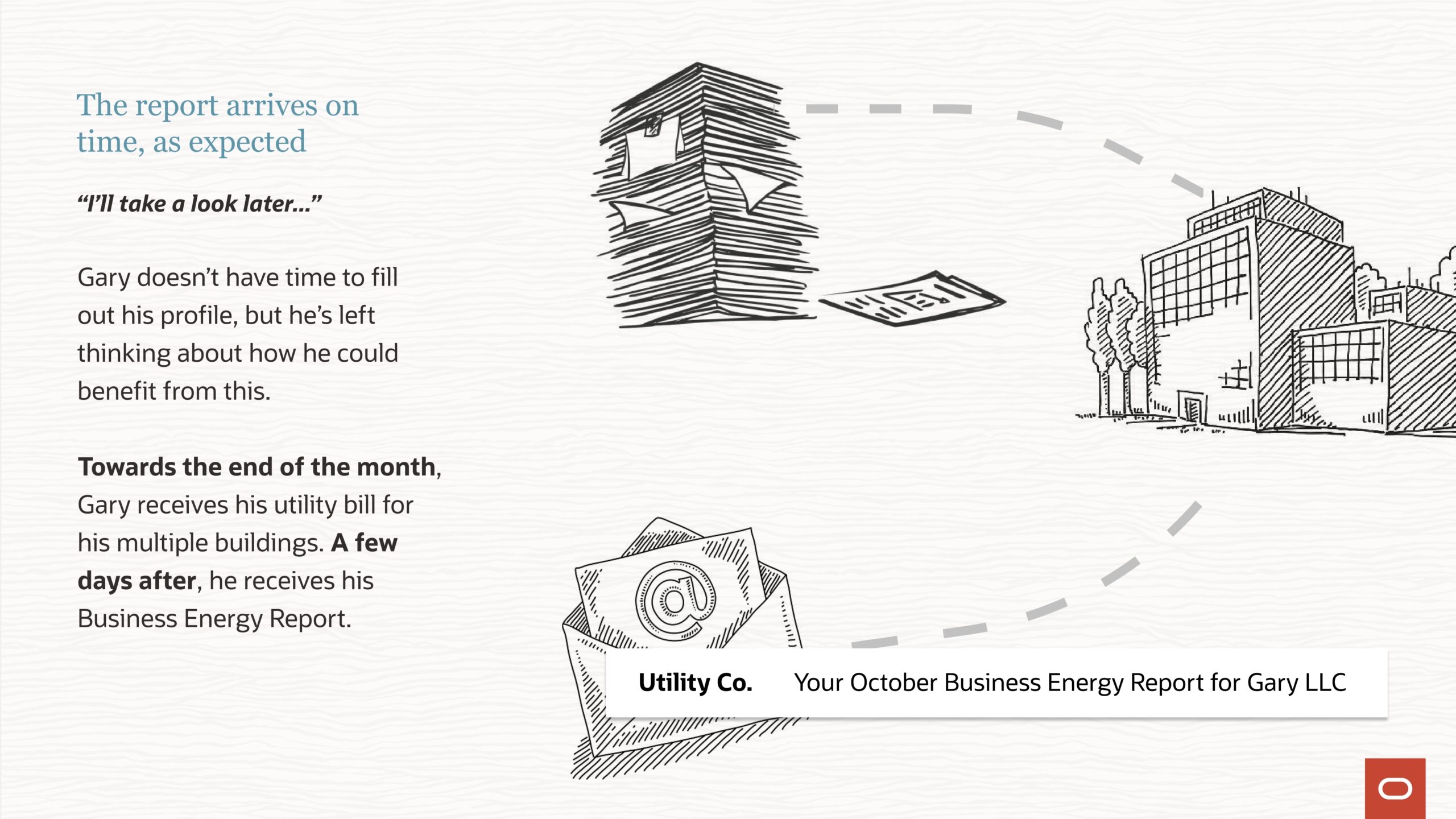
To solve this, I created Gary's Journey—a future-state narrative that translated research into a shared vision for the product.
Gary became more than a persona. He became a shared language and decision-making tool that executives, product managers, engineering, and design used to evaluate priorities, discuss trade-offs, and align around the future customer experience.
Rather than asking, "Should we build this feature?", teams began asking:
"How does this help Gary accomplish his goals?"
Gary became the shared language the organization used to discuss the future customer experience.
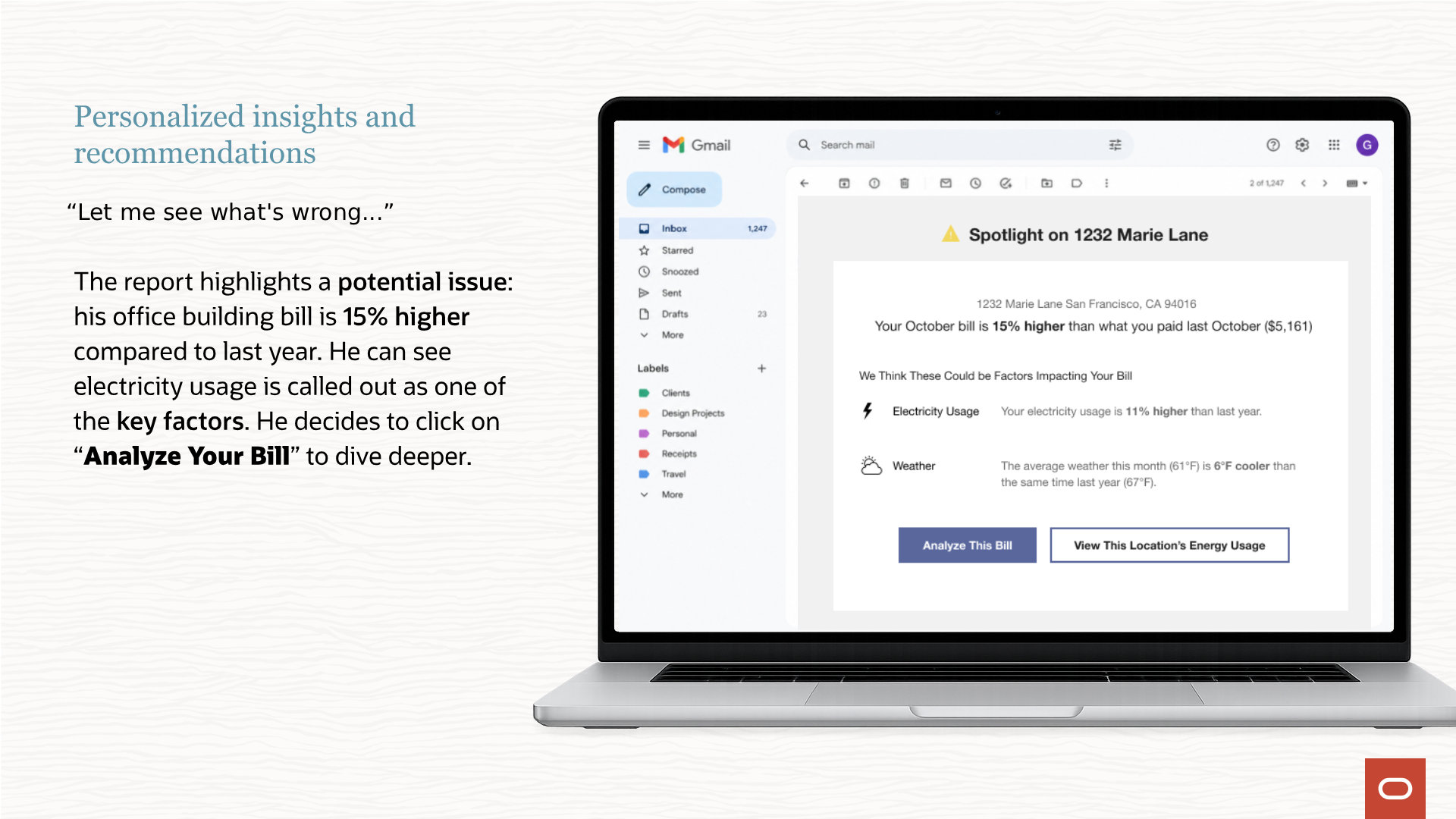
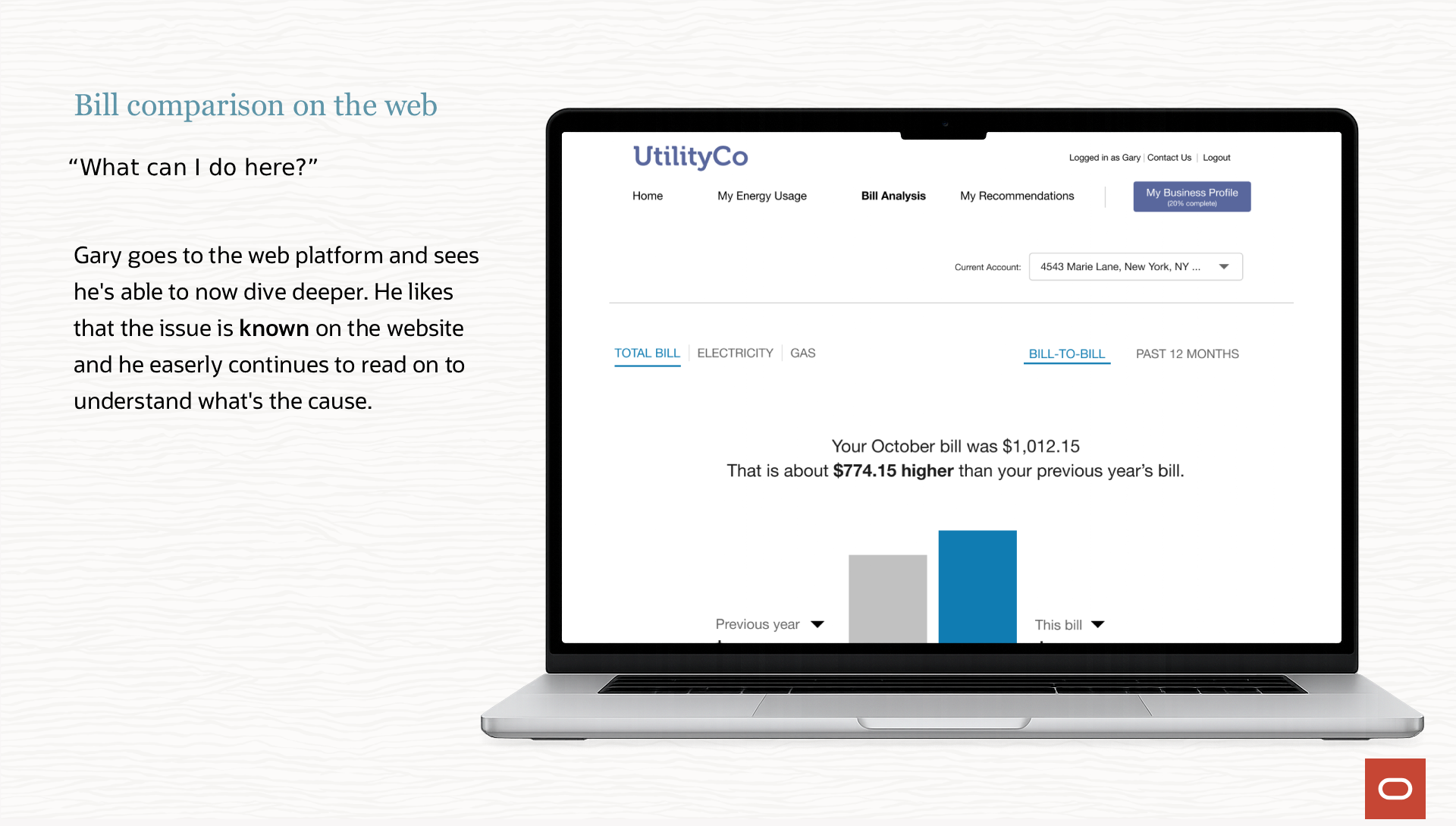
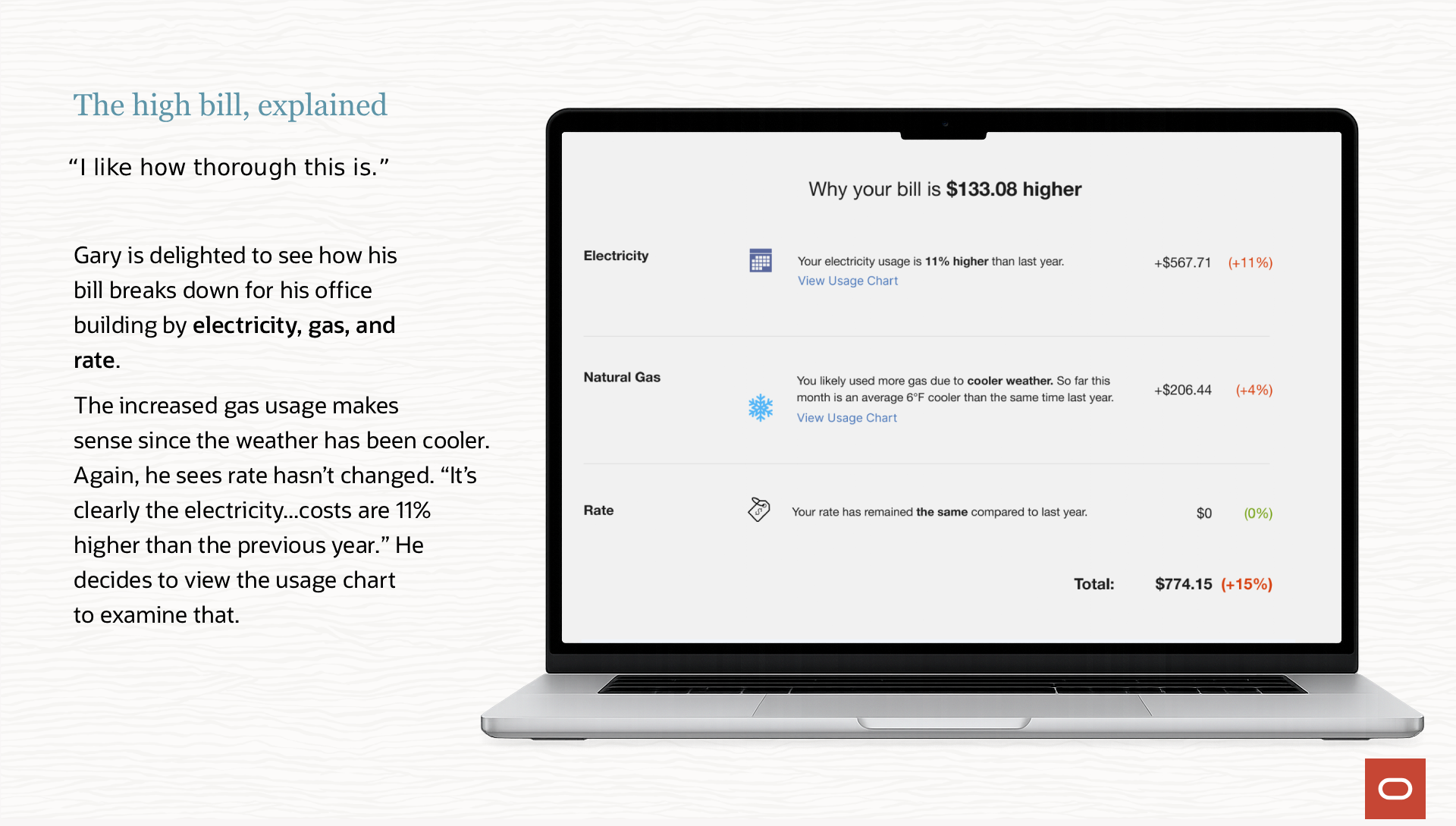
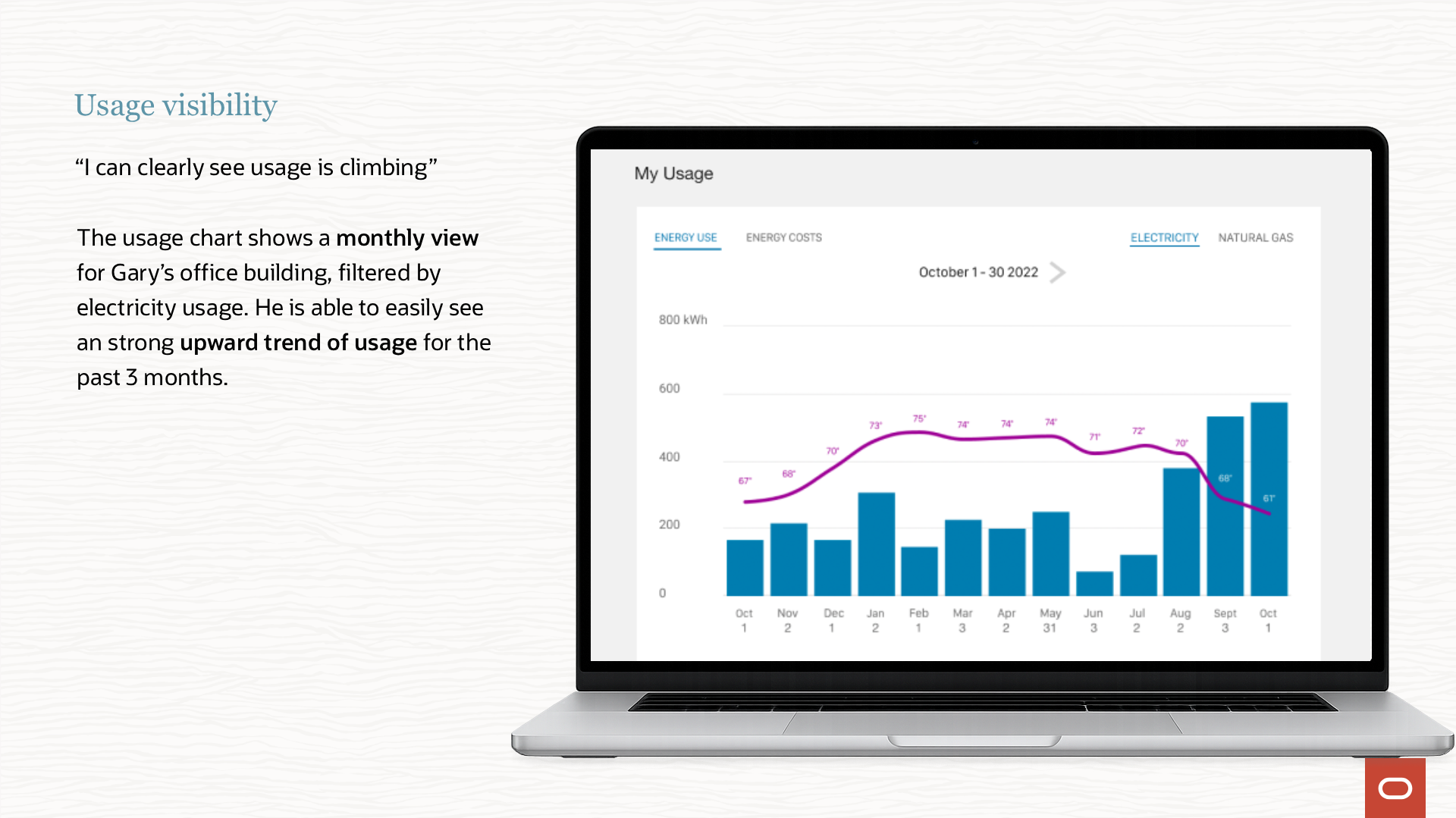
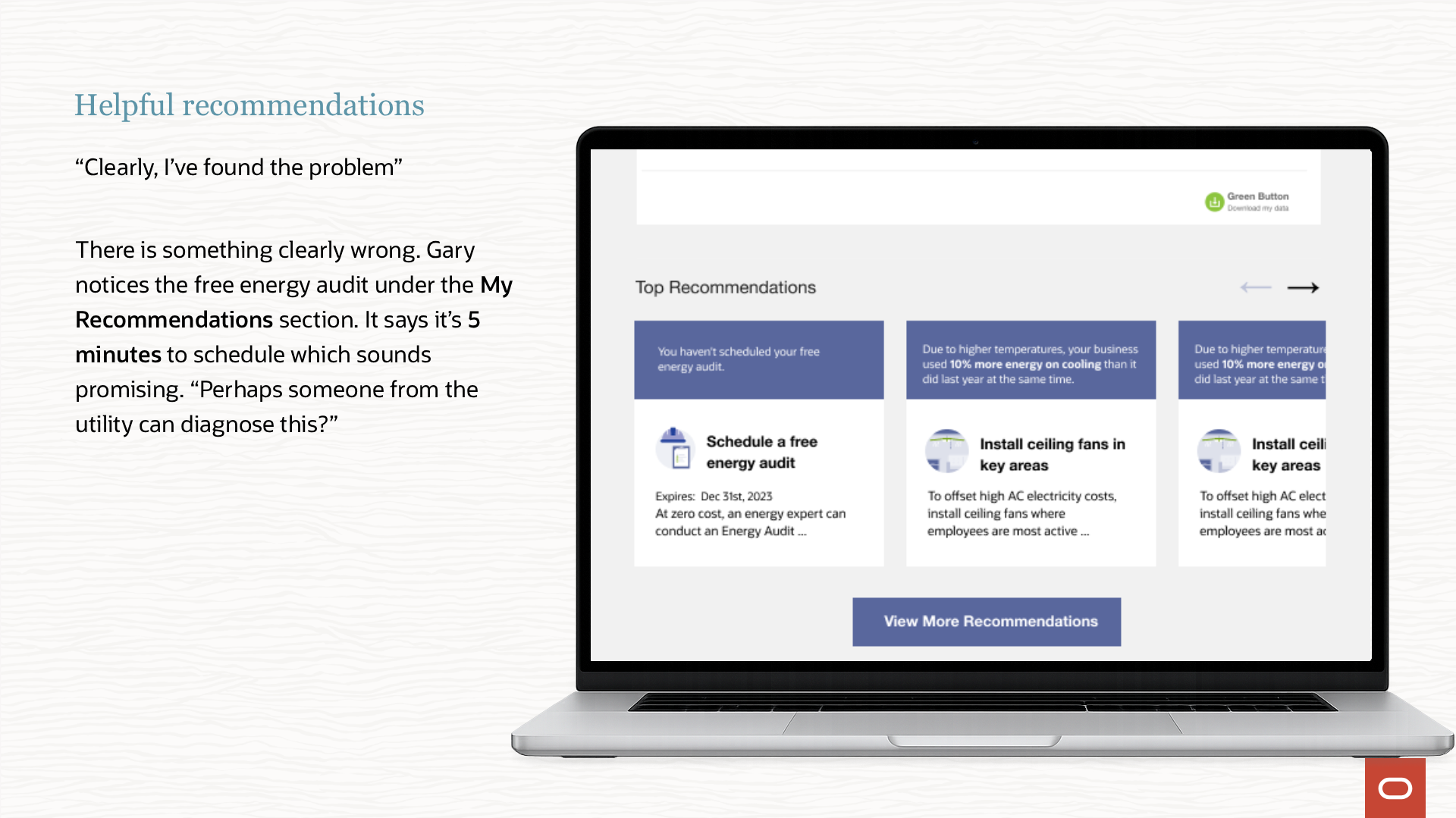
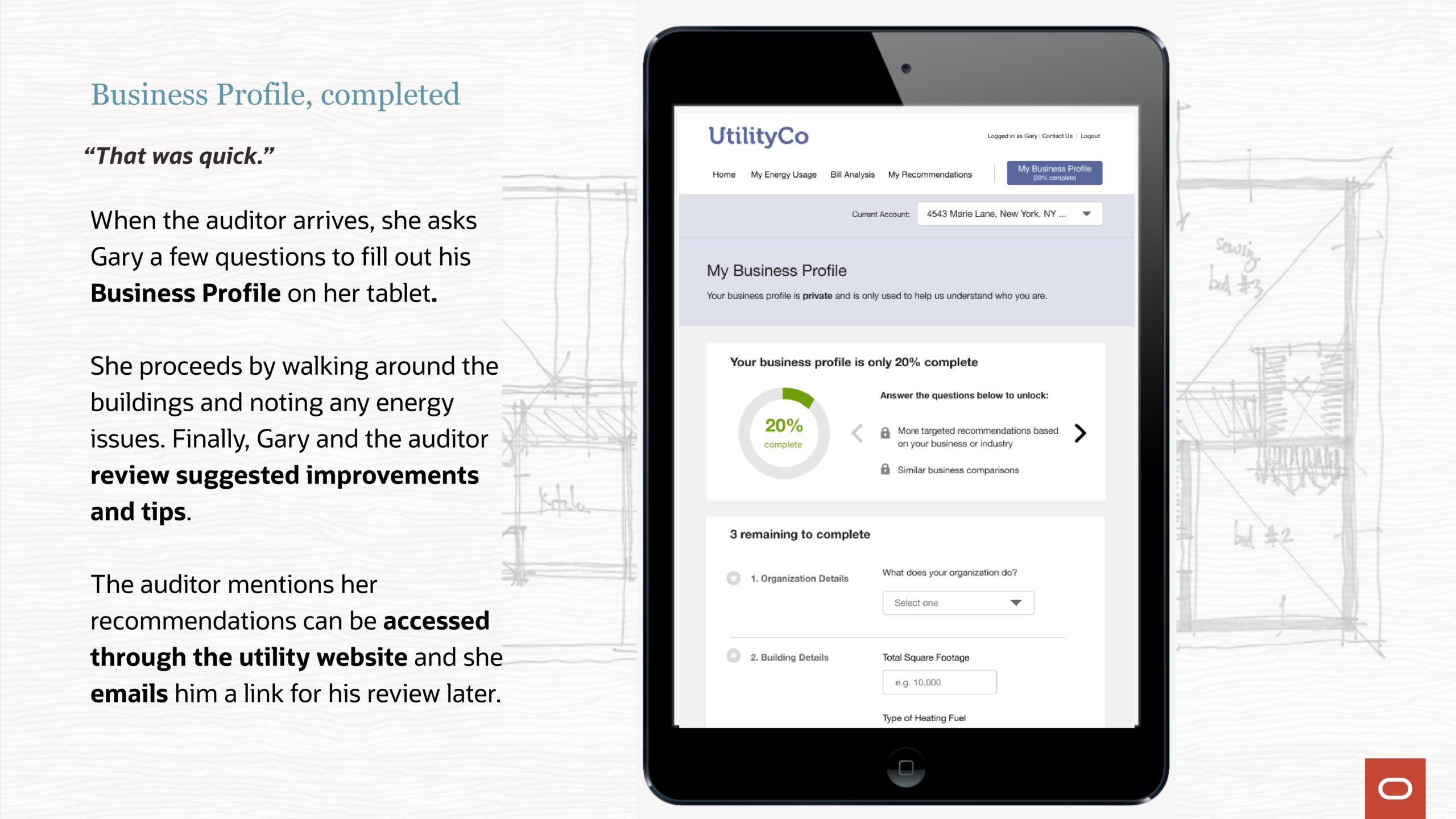
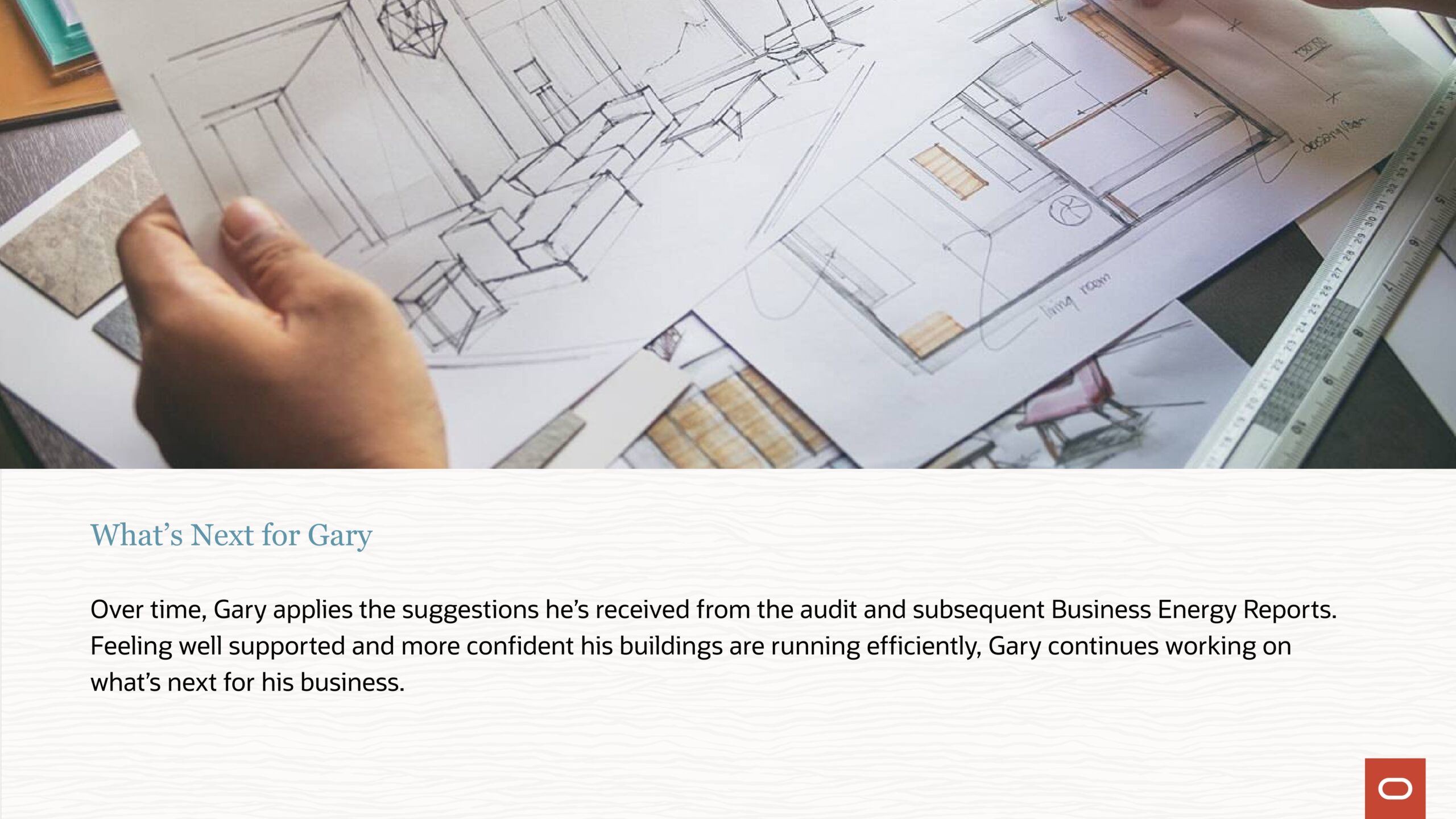
Using Gary's goals to crystalize the product roadmap
Even after aligning around Gary's Journey, one challenge remained: roadmap conversations still revolved around features rather than customer outcomes.
Why? Because a happy path doesn't always help with prioritizing capabilities we could leverage (from our residential products), customer expected features (features our vendor had previously provided but we hadn't built yet), nor new features customers were asking for (from RFPs).
All of these were still on the table.
To help solidify focus from features to outcomes, I used Gary's goals as a framework for prioritization and conducted a mapping exercise. This helped product and engineering evaluate trade-offs more objectively.
The result: instead of asking "Should we build this feature?", roadmap discussions increasingly became "How does this help Gary accomplish his goals?"

Personalization required earning trust before asking for information
One of the most difficult product questions was personalization.
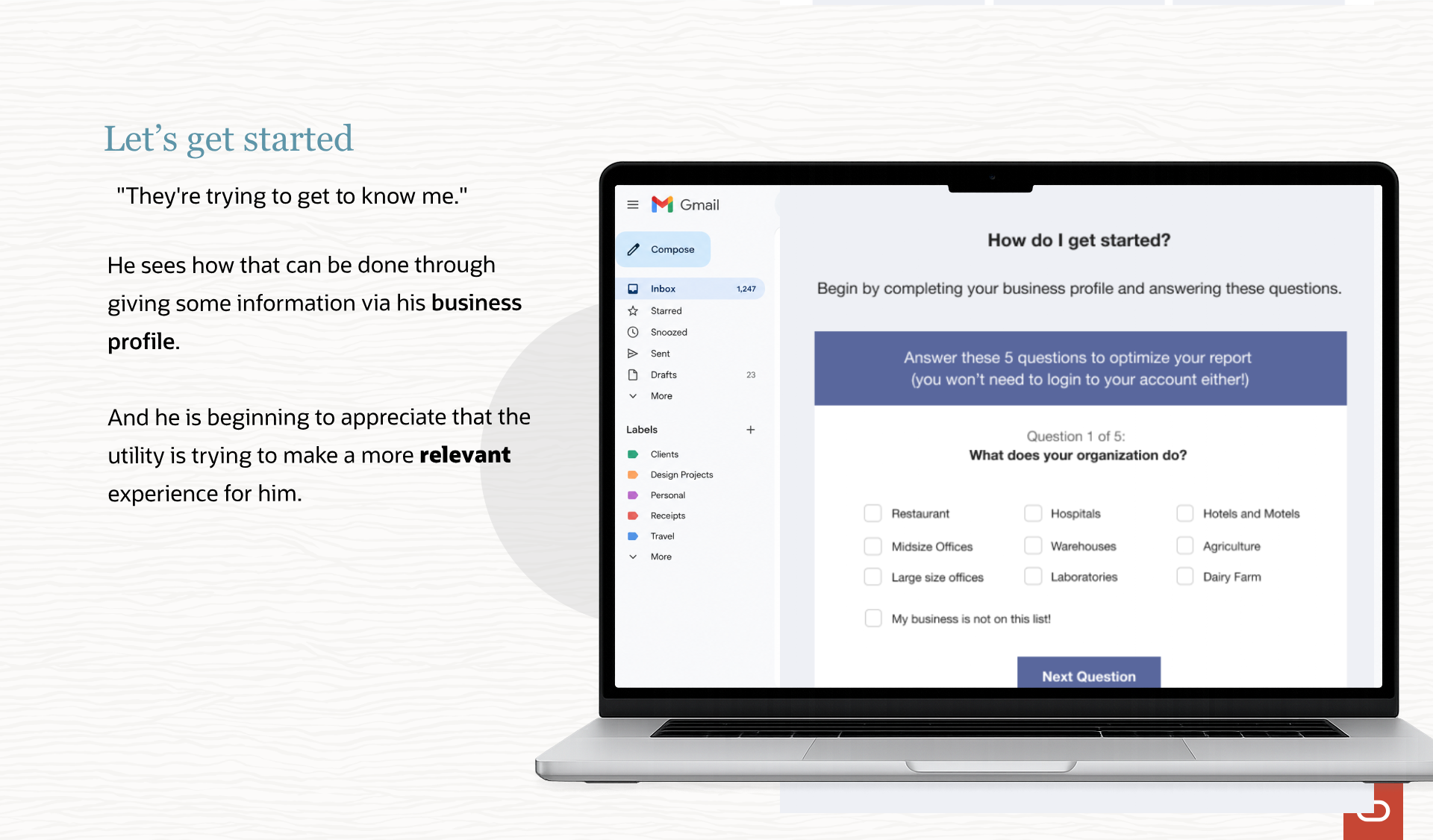
Utilities typically knew very little about their business customers beyond billing and usage data. Delivering relevant recommendations required earning trust before requesting additional information.
We developed a Business Profile strategy that combined behavioral science, progressive disclosure, and proactive communications to gradually increase personalization over time.
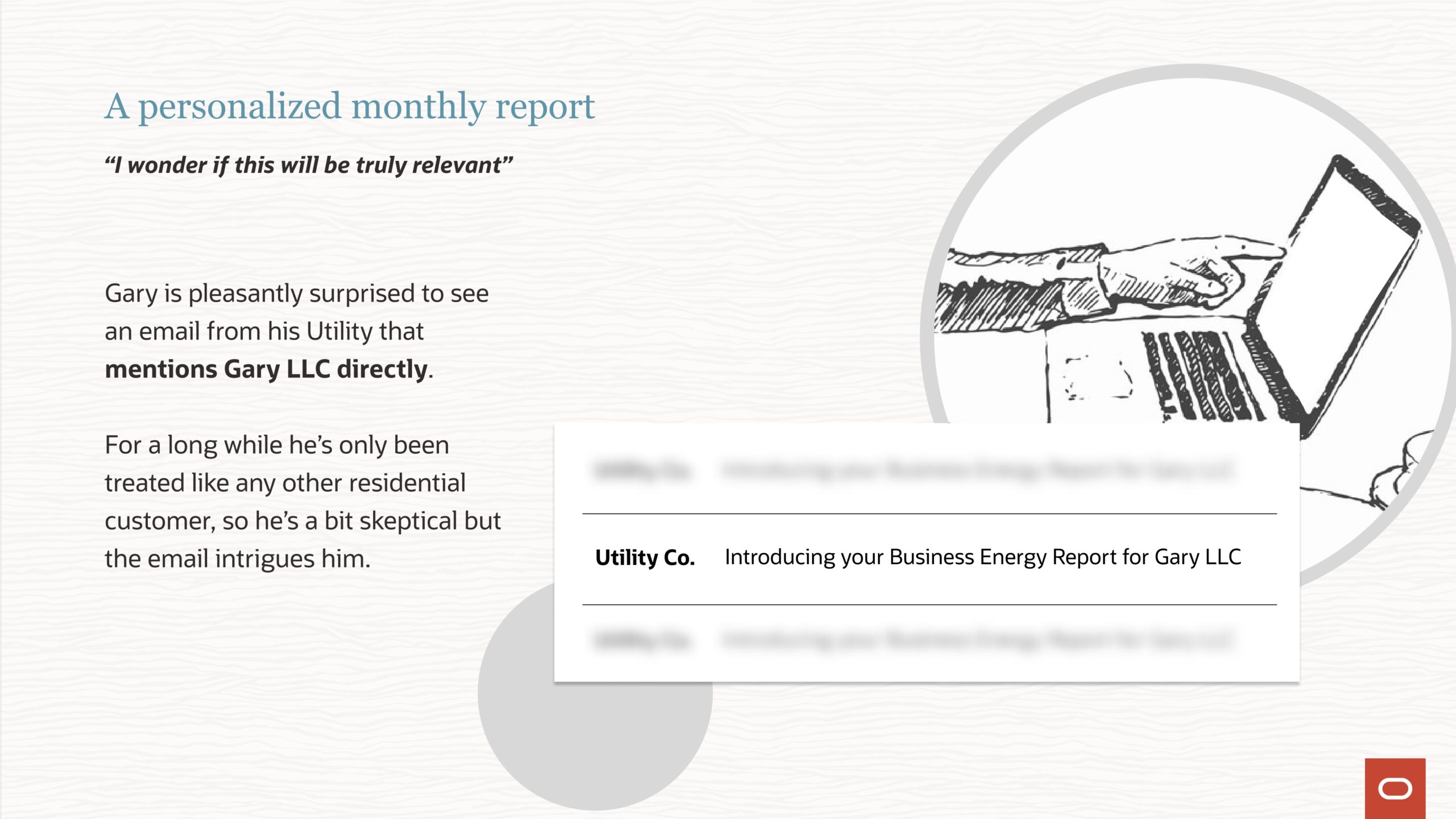
Rather than asking businesses to complete lengthy forms upfront, we first demonstrated value through timely insights delivered by email. As trust increased, customers became more willing to share information, allowing Oracle to provide increasingly relevant recommendations.
We couldn't build everything - so we focused on the highest value customer workflows
Once the strategy was aligned, the design process accelerated. The next challenge became deciding what to build first.
The vision was bigger than what engineering could realistically build (and typically is).
The future-state experience represented our long-term vision, but shipping everything at once wasn't realistic. Working closely with product and engineering, I identified the core interactions that delivered customer value while deferring more advanced capabilities.
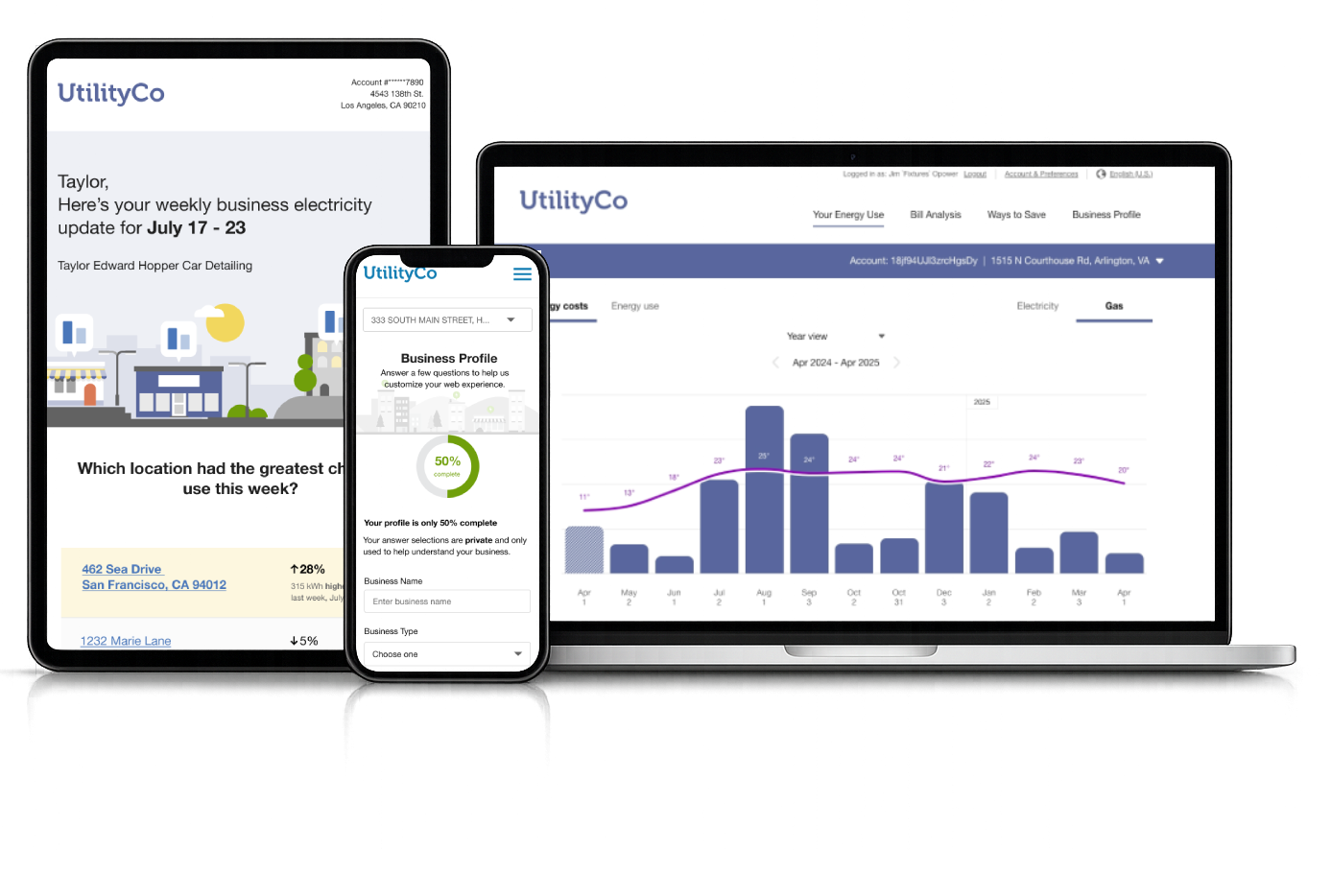
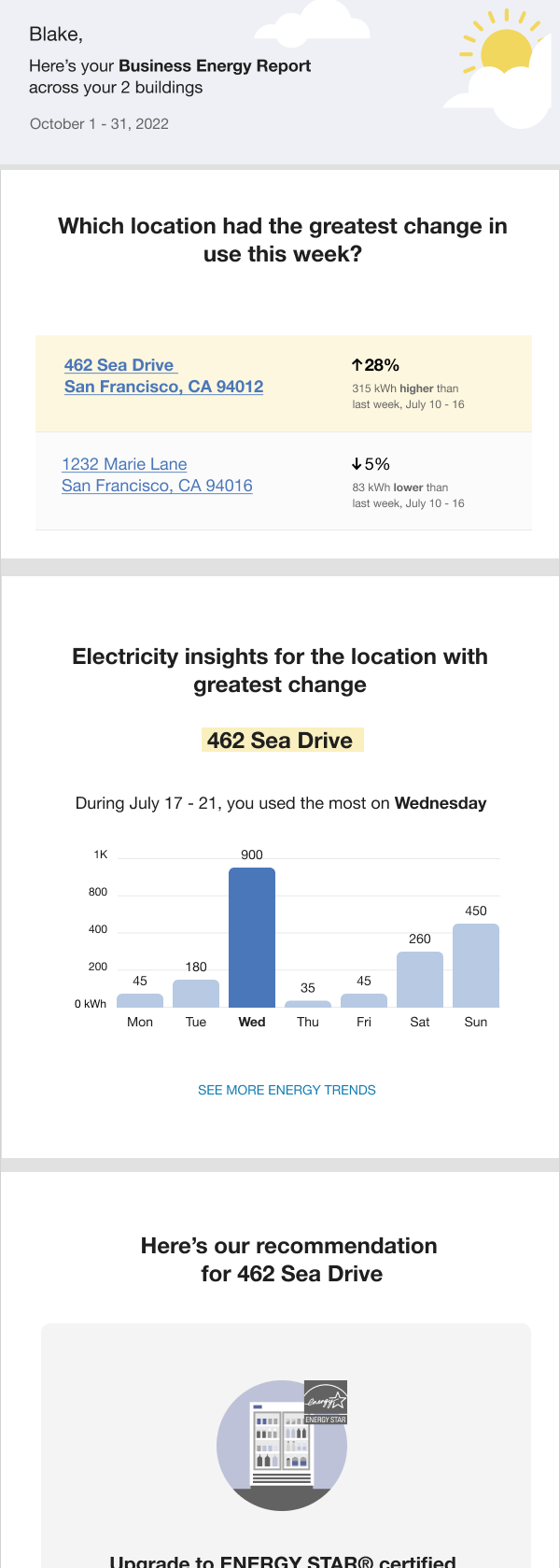
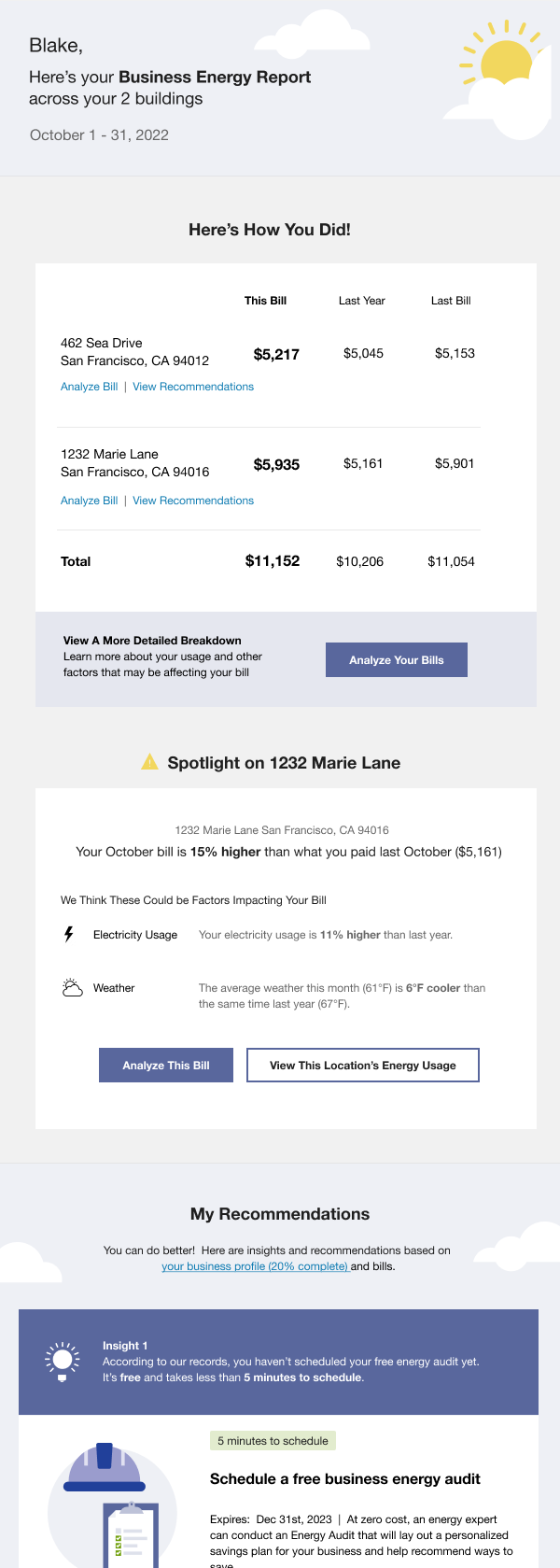
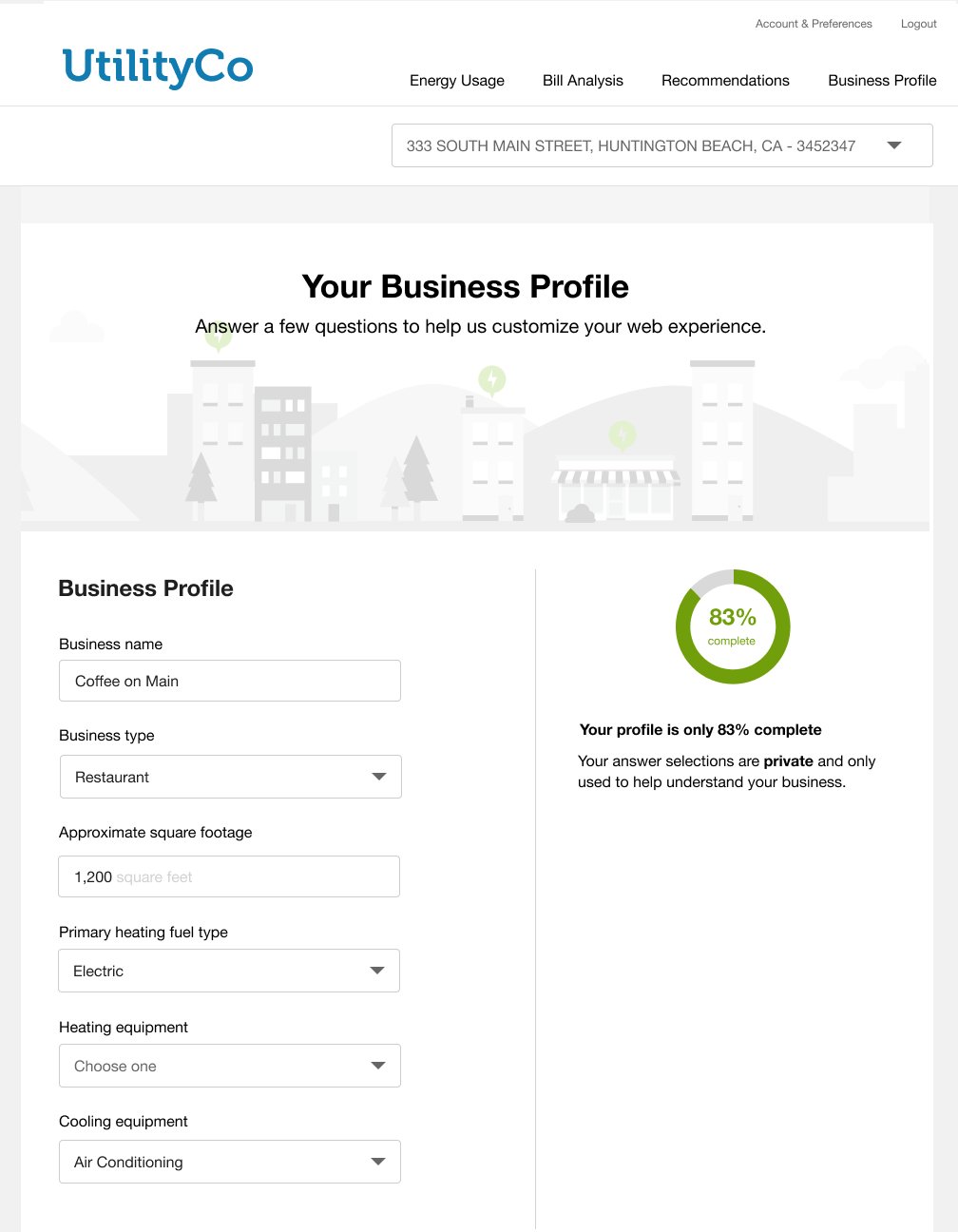
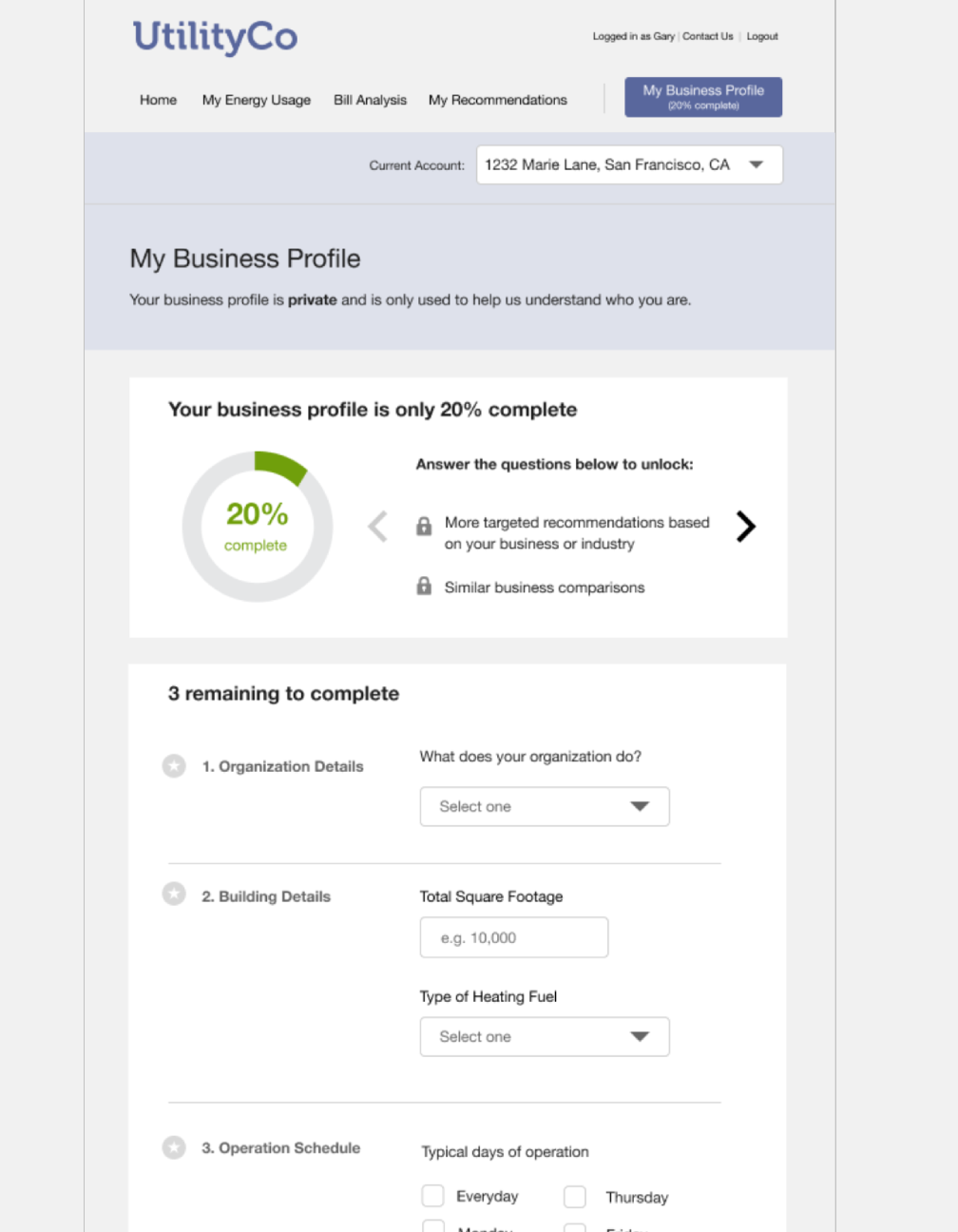
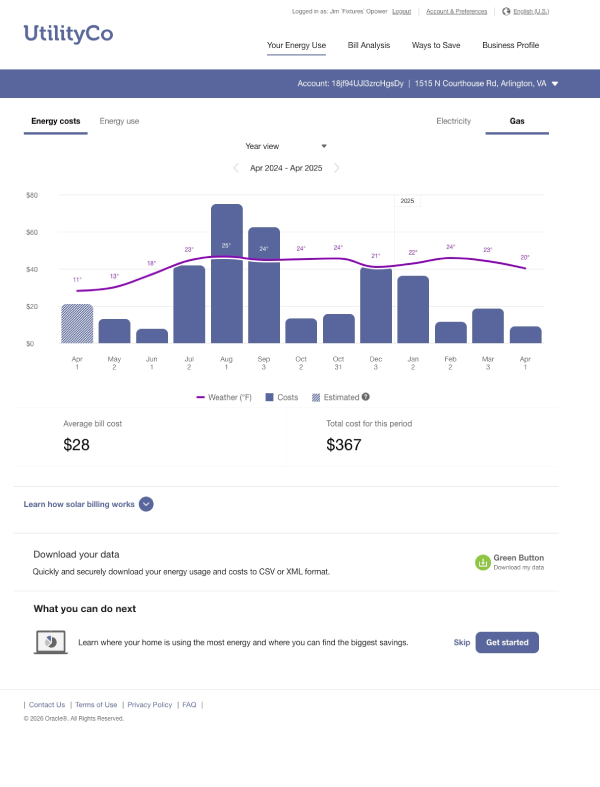
Our MVP connected proactive email communications via the Weekly Business Energy Report (1). Over time SMB customers would build trust and possibly provide information via the Business Profile (2) or diver deeper with the web platform (3).
1. Deliver value before asking for commitment
The weekly Business Energy Report became the entry point into the experience. Instead of simply summarizing energy usage, it surfaced meaningful changes, highlighted opportunities, and encouraged customers to investigate further.
By demonstrating value first, the report created a compelling reason for businesses to continue engaging with the platform.
2. Earn trust before requesting information
Rather than requiring customers to complete a lengthy profile upfront, we positioned the Business Profile as a way to unlock more relevant insights and recommendations.
Completing the profile became a value exchange—not a barrier.
3. Grow into a personalized experience
As customers shared more information, Oracle could deliver increasingly personalized insights, benchmarks, and recommendations tailored to their business.
The MVP focused on the highest-value workflows while leaving room for the broader vision established in Gary's Journey.
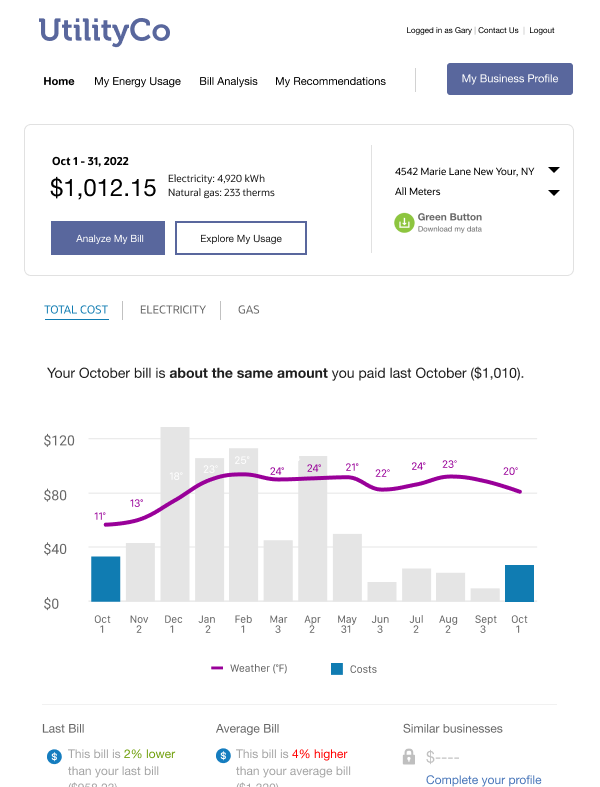
The product improved customer understanding while reducing support costs
The impact of this work was clear.
The project established the strategic foundation for Oracle's Business Customer Engagement platform. Beyond the product itself, the work aligned stakeholders across multiple disciplines around a shared customer vision and product strategy.
Results:
- Platform designed for 4.6 million business customers
- 2× increase in email click-through - email became the primary discovery channel, not just a notification
- 11% improvement in customer satisfaction
- 38% reduction in call-to-serve - customers who understood their bills didn't need to call
The next logical step was helping customers understand their bills with AI
While designing Oracle's Business Customer Engagement platform, one question kept resurfacing:
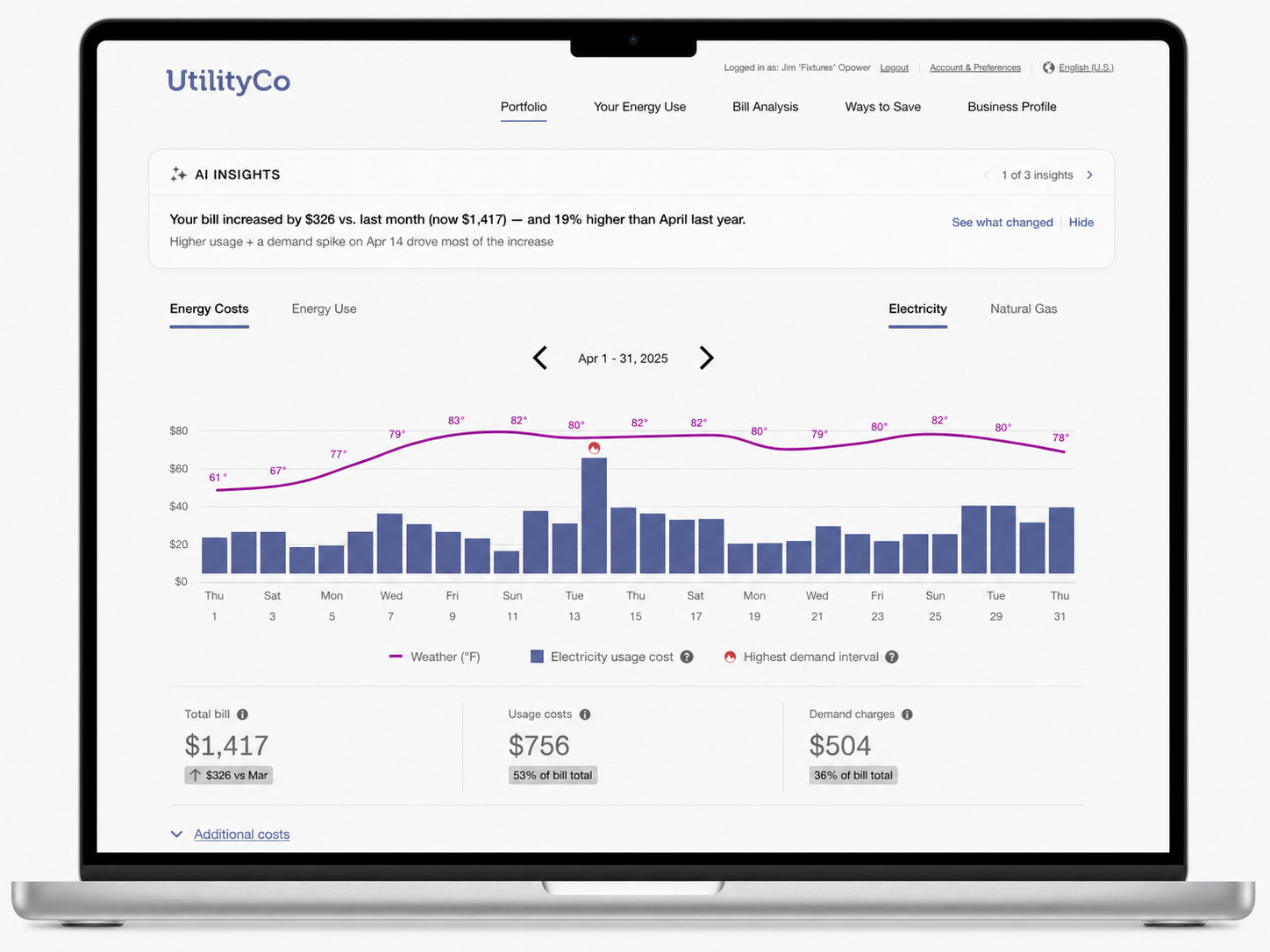
What if the product could fully explain why a bill changed instead of expecting customers to interpret charts, compare usage, and connect the dots themselves?
That question became the starting point for my next design exploration. Throughout BCE, I learned that businesses didn't simply need more dashboards - they needed explanations. Although the platform helped customers identify unusual usage and investigate potential causes, it still relied on them to piece together the story themselves.
I began exploring how AI could become an explainability layer: combining billing data, weather, business context, historical usage, and rate structures into clear, conversational explanations with personalized recommendations.
The result was the AI-Driven Bill Explanation System, a concept that extends the thinking behind BCE and explores how AI can help businesses understand unexpected costs with greater confidence.
My biggest lesson wasn't about UX - it was about creating organizational alignment
Reflecting on my work, the biggest lesson from this project wasn't about designing dashboards or emails. It was about creating alignment. The most valuable contribution I made wasn't producing UX artifacts - it was helping an organization develop a shared understanding of the customer and using that understanding to drive product strategy. That experience continues to shape how I approach ambiguous, zero-to-one product work today.
Til next time,

Let's build something meaningful.
If you're tackling a complex product or building something from the ground up, I'd love to hear about it.